



Forty years ago, four guys dressed in yellow and black did something that, on paper, shouldn’t have been possible.
They took the sound of 1980s heavy metal, the spectacle of arena rock, and combined it all with an unapologetically Christian message. They called the album To Hell with the Devil.
And nothing was quite the same afterward.
Released in October 1986, Stryper’s To Hell with the Devil didn’t just change Christian rock. It changed music and challenged the entire recording industry. It broke down barriers that seemed impossible to cross and proved that a Christian band could compete with the biggest names in rock and roll without compromising its message.
Forty years later, we’re still feeling the reverberations.
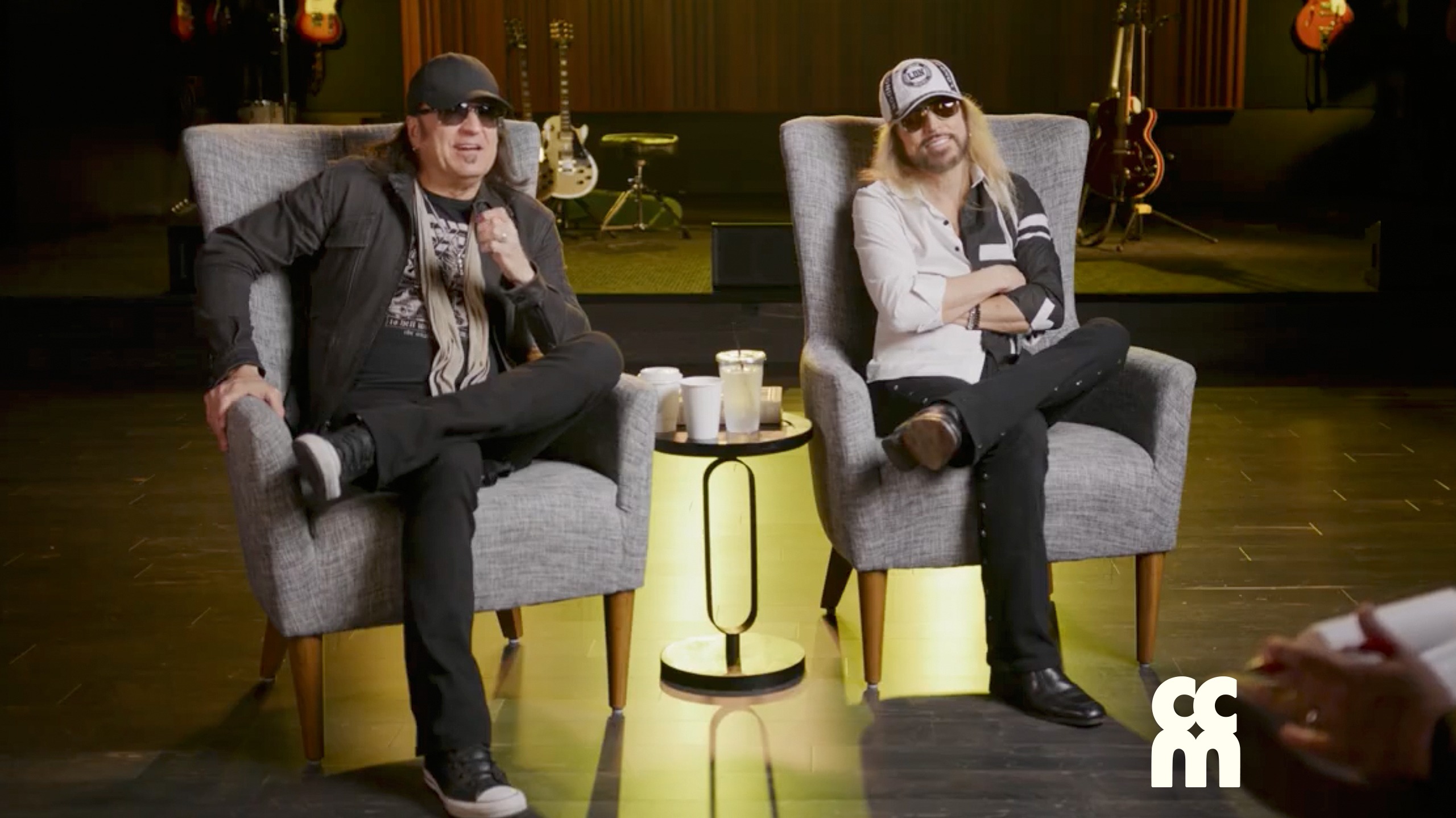
I recently sat down with brothers Michael and Robert Sweet to revisit that defining moment in music history. Robert remembered sensing something special before the album was even released. “I remember driving home in my IROC-Z Camaro and popping in ‘Sing-Along Song,’ and I was just like, wow, something’s going to happen here.”
Michael recalled an equally memorable experience.
“The first time we listened to the first mix was ‘To Hell with the Devil,’ that song. And we listened in his black Ford Escort in a little cassette player. We popped it in and we were both listening, and we kind of looked at each other.”
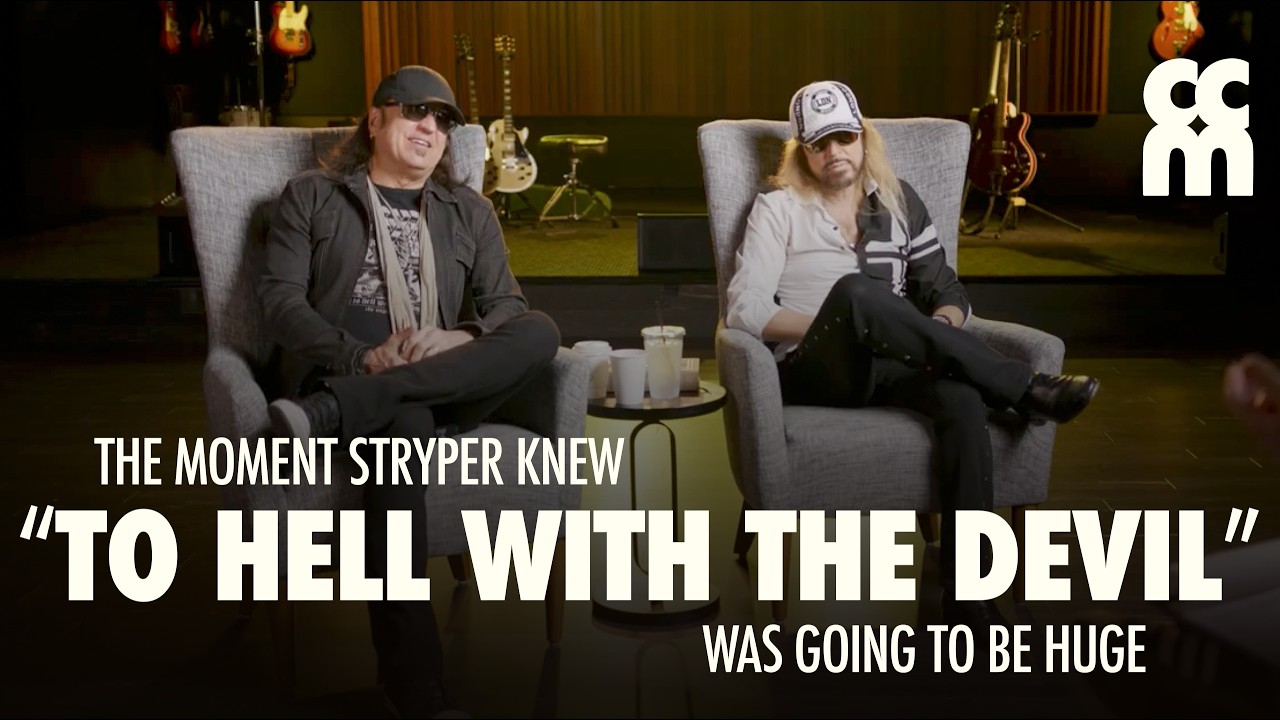
He called it a “holy moly moment.”
“We got something going on here. And you could just feel it.”
But Michael believes something greater was happening.
“It was definitely a God thing. It was anointed and the power came out of that album. God’s power, unlike anything else.”
It’s difficult to explain just how powerful MTV was in 1986. It made superstars, sold records and defined an entire generation of music. And somehow, Stryper broke through.
“We had TV” Michael explained. “when MTV started Dial MTV, that really pushed To Hell with the Devil over the top.”
And this wasn’t some little Christian music segment tucked away late at night.
“Here is the difference with us,” Michael continued. “We were on a countdown of ten videos, ten songs up in the countdown against Mötley, Bon Jovi, Poison and going to number one.”
“It was unheard of. I even think MTV was floored by that. They didn’t know what to think about that.”
Sonically, they fit perfectly into the landscape of 1986. Lyrically, they were going in nearly the opposite direction. But audiences didn’t care about industry categories. They loved the music.
Stryper proved that Christian music didn’t have to stay confined to Christian bookstores, Christian radio or Christian audiences. Perhaps the greatest irony is that while mainstream audiences were embracing Stryper, parts of the Christian community were actively protesting them.
“Back then you had a lot of people going, these guys are the devil, you know, have nothing to do with these guys,” Robert recalled.
Michael quickly added, “Preaching against us.”
Robert remembered one particularly absurd moment.
“We were playing in an arena on that tour and pulling up, getting ready to go inside, and we were being picketed by a large crowd of Christians. And AC/DC is playing right next to us and they’re not picketed.”
Robert still wonders how much more the band might have accomplished without that opposition.
“How many people would have been touched if they could have understood what we were saying? And we were legitimate. We were sincere. We mean it. And it’s so out front. It’s right there. You can’t deny it.”
During our conversation, Michael even brought up Skillet’s John Cooper, who wasn’t allowed to listen to Stryper growing up.
Let that sink in.
One of the biggest names in modern Christian rock grew up in a world where listening to one of the genre’s most influential bands was forbidden.
“But still, despite all that, we still broke out,” Michael said. The incredible thing is that Stryper isn’t just celebrating the past. They’re still making records, touring and finding new audiences.
Michael admitted he once thought the story had ended. “I thought it was over in ’91 when we went our separate ways… and I really, truly thought that that was one part of my life.”
Instead, the band’s reunion opened an entirely new chapter.
“We got back together in ’03, and we’ve done more now from ’03 to ’26 than ’84 to ’91, and I mean way more, three times as much.” Robert never expected that four decades later, he and his brother would still be doing this.
“I don’t think Michael and I sat down and went, wow, we’re going to be doing this when we’re 66 and 63. But God’s given us the ability to do it.”
And Michael summed up their remarkable career perfectly.
“This is what we do. This is what we were born to do. This is what we always dreamed about doing. So let’s enjoy the ride… the ride is still going. It’s not over.”
Forty years after To Hell with the Devil, Christian artists crossing into mainstream spaces isn’t nearly as shocking as it was in 1986. Christian bands can share stages with secular acts, reach audiences outside the church and compete in the larger entertainment industry.
That didn’t happen overnight. Stryper helped kick those doors open. They didn’t ask permission. They plugged in, turned up the amps and made music that people wanted to hear.
And the message never changed. Forty years later, the yellow and black attack still means everything.
Not bad for a record that some Christians didn’t even want you to hear.
Watch CCM Magazine’s exclusive conversation with Michael and Robert Sweet as we revisit the making of To Hell with the Devil, its groundbreaking success, the controversy and Stryper’s incredible continuing legacy.